PERMANENCE OF BOTTLE STICKER ADHESIVES: HOW LONG DOES IT TAKE FOR THEM TO FAIL?
In the world of product packaging and branding, the durability of bottle sticker adhesives is crucial. Companies rely on these adhesives to ensure that their labels stay intact, providing vital information to consumers and maintaining brand visibility. But how long can you expect these adhesives to last? Let’s dive into the factors that influence the permanence of bottle sticker adhesives and what it means for your products.
Understanding Bottle Sticker Adhesive Durability
Bottle sticker adhesive durability refers to the ability of the adhesive to withstand various environmental conditions and remain affixed to the bottle surface over time. The lifespan of these adhesives can vary significantly based on several factors.
Types of Adhesives Used
Different types of adhesives are used in bottle labeling, each with its own set of characteristics. Some common types include:
- Pressure-Sensitive Adhesives (PSAs): These are the most common type of adhesives used in bottle labeling. They bond to surfaces with light pressure and are known for their versatility and ease of use.
- Water-Based Adhesives: Ideal for paper labels, these adhesives are environmentally friendly but may not hold up well in humid conditions.
- Solvent-Based Adhesives: These are highly durable and resistant to moisture, making them suitable for challenging environments.
- Hot Melt Adhesives: Known for their strong initial tack and quick setting time, these adhesives are often used for high-speed labeling processes.
The choice of adhesive largely depends on the material of the label and the conditions it will be exposed to.
Factors Affecting Adhesive Durability
Several factors influence how long bottle sticker adhesives will last. Understanding these can help you choose the right adhesive for your needs.
Environmental Conditions
The environment in which the bottle is stored or used plays a significant role in adhesive performance. Factors include:
- Temperature: Extreme temperatures, whether hot or cold, can weaken adhesive bonds. High temperatures may cause the adhesive to melt, while cold temperatures can make it brittle.
- Humidity: High humidity levels can affect the adhesive’s ability to stick, especially for water-based adhesives.
- Exposure to Water: Bottles exposed to water or submerged in it may experience adhesive failure if the adhesive is not water-resistant.
Surface Material
The material of the bottle surface affects the adhesive’s ability to bond. Common bottle materials include glass, plastic, and metal, each presenting unique challenges for adhesive bonding.
- Glass: Generally provides a smooth surface that is easy for adhesives to bond with. However, surface treatments on glass can impact adhesion.
- Plastic: The type of plastic (e.g., PET, HDPE) can affect adhesion. Some plastics may require special adhesives for optimal bonding.
- Metal: Offers a stable surface, but any coatings or treatments can affect adhesive performance.
Label Material
The material of the label itself can influence adhesive performance. Paper labels, for example, may degrade faster than synthetic ones when exposed to moisture.
Application Process
The way the label is applied can impact how well the adhesive bonds. Factors include:
- Pressure: Adequate pressure must be applied to ensure proper bonding.
- Surface Cleanliness: Dirt, oil, or moisture on the bottle surface can prevent the adhesive from sticking properly.
Expected Lifespan of Bottle Sticker Adhesives
While it’s difficult to provide a definitive answer for how long bottle sticker adhesives will last, understanding the factors above can help set realistic expectations.
- Short-Term Use: For products with a short shelf life or minimal exposure to challenging conditions, adhesives can last for weeks to a few months.
- Medium-Term Use: In normal conditions without extreme environmental factors, adhesives can last anywhere from six months to a year.
- Long-Term Use: For products designed to withstand harsh conditions, specially formulated adhesives can last several years.
Enhancing Adhesive Durability
To maximize the lifespan of bottle sticker adhesives, consider the following tips:
Choose the Right Adhesive
Select an adhesive that matches the environmental conditions and the material of both the bottle and label. Consult with adhesive manufacturers for recommendations based on your specific needs.
Optimize the Application Process
Ensure that the bottle surface is clean and dry before applying the label. Use appropriate equipment to apply consistent pressure across the label for proper bonding.
Test for Durability
Conduct tests to simulate environmental conditions the product will face. This helps ensure that the adhesive will perform as expected in real-world scenarios.
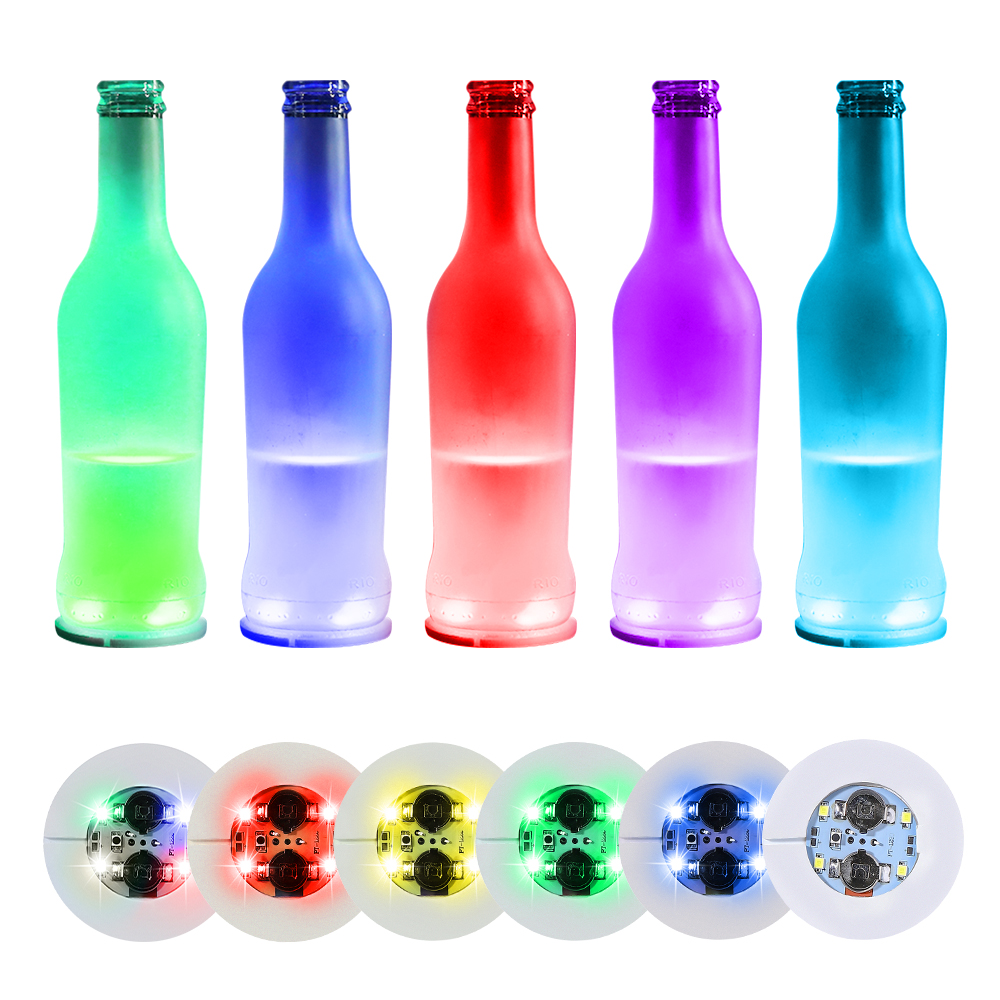
Drink Lights
The Role of Bottle Light and Light Up Coasters
In addition to adhesive durability, the use of bottle lights and light up coasters can enhance the overall presentation of your product. These innovative accessories not only draw attention but also provide a practical solution for illuminating labels in dimly lit environments.
Bottle lights are small devices that fit into the neck of a bottle, casting light downwards to highlight the label. Light up coasters work similarly, illuminating the bottle from below. Both can be used to make products stand out on store shelves or at events, adding an extra layer of visibility and appeal.
Conclusion
Understanding the permanence of bottle sticker adhesives is essential for ensuring that your product’s labels remain intact and legible throughout their intended lifespan. By considering factors such as environmental conditions, surface materials, and application processes, you can make informed decisions that enhance adhesive durability. Additionally, incorporating bottle lights and light up coasters can further elevate your product’s visibility and appeal, making it a standout choice for consumers.
By following these guidelines, you can ensure that your bottle labels not only last but also contribute to the overall success of your product in the market.