LED COASTER MATERIAL SELECTION GUIDE: HOW TO CHOOSE THE RIGHT LABEL FOR YOUR PRODUCT
Selecting the right material for your LED coaster labels can make or break the success of your product. LED coasters and bottle lights are an innovative way to enhance the appearance of beverages, whether for promotional events, bars, or personal use. This guide will help you understand the key factors to consider when choosing the right material for your LED coaster labels.
Understanding LED Coasters
Before diving into material selection, it’s essential to understand what LED coasters are and how they work. LED coasters are essentially small platforms that emit light, illuminating the bottom of a beverage container. This effect can create an eye-catching display, making drinks more appealing and enhancing the ambiance of a setting.
Importance of Material Selection
Choosing the right material for your LED coaster labels is crucial for several reasons. The material affects the durability, appearance, and overall performance of the product. A well-chosen material can enhance the light diffusion, withstand wear and tear, and maintain its aesthetic appeal over time.
Key Factors in Material Selection
Light Diffusion
The primary function of an LED coaster is to emit light, so the material should facilitate effective light diffusion. Materials that scatter light evenly will create a more appealing and consistent glow, enhancing the visual impact of the coaster.
Aesthetic Appeal
The appearance of the material also plays a significant role. It should complement the design of the LED coaster and the brand it represents. Transparent or semi-transparent materials are often preferred as they allow the light to pass through while adding a touch of elegance.
Cost-Effectiveness
While it’s essential to choose a high-quality material, it’s also crucial to consider the cost. Finding a balance between quality and cost-effectiveness will help ensure that the product is both appealing and financially viable.
Common Materials for LED Coaster Labels
Acrylic
Acrylic is a popular choice for LED coaster labels due to its excellent light diffusion properties and durability. It is also relatively cost-effective and can be easily shaped and customized to fit various designs.
Polycarbonate
Polycarbonate is another durable material that offers good light diffusion. It is more impact-resistant than acrylic, making it suitable for environments where the coasters may be subject to rough handling.
Silicone
Silicone is a flexible material that provides excellent durability and light diffusion. It is also resistant to spills and stains, making it ideal for use in bars and other settings where the coasters may come into contact with liquids.
Glass
Glass offers a premium look and excellent light diffusion. However, it is more fragile than other materials and may not be suitable for all environments. It is best used in settings where the coasters will be handled with care.
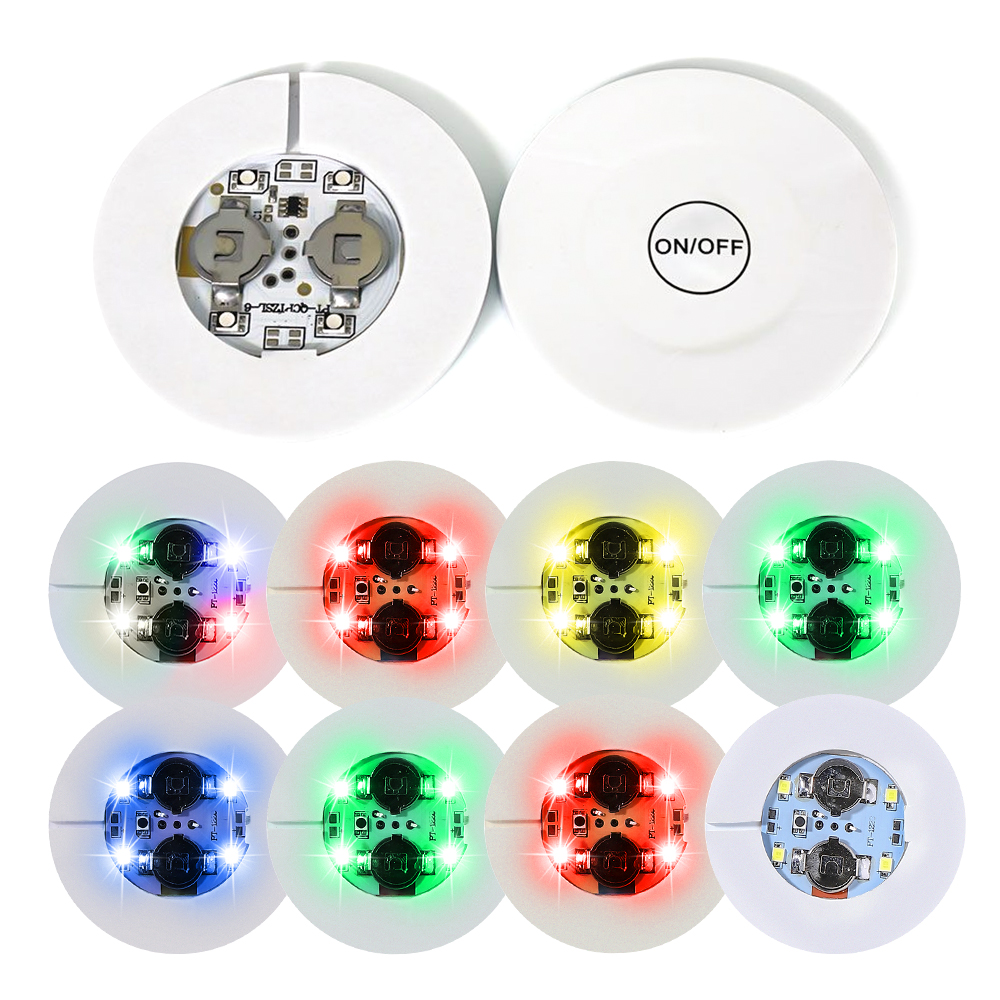
Light Up Coasters
Pros and Cons of Different Materials
Acrylic
Pros:
- Excellent light diffusion
- Durable
- Cost-effective
- Customizable
Cons:
- Can scratch easily
Polycarbonate
Pros:
- Highly impact-resistant
- Good light diffusion
- Durable
Cons:
- More expensive than acrylic
Silicone
Pros:
- Flexible and durable
- Resistant to spills and stains
- Good light diffusion
Cons:
- Can be more challenging to customize
Glass
Pros:
- Premium look
- Excellent light diffusion
Cons:
- Fragile
- More expensive
Best Practices for Material Selection
Assess the Environment
Consider where the LED coasters will be used. If they will be in a high-traffic area, such as a bar or nightclub, durability will be a top priority. In contrast, if they will be used in a more controlled environment, you may prioritize aesthetic appeal and light diffusion.
Test Light Diffusion
Before making a final decision, test how well the material diffuses light. Some materials may create hot spots or uneven lighting, which can detract from the overall appearance of the coaster.
Consider Customization Options
Think about how easy it is to customize the material. Some materials, like acrylic and polycarbonate, are easier to shape and print on, making them more versatile for different designs.
Balance Cost and Quality
While it’s tempting to choose the cheapest material, it’s essential to consider the long-term performance of the product. Investing in a higher-quality material can lead to better durability and customer satisfaction, ultimately saving you money in the long run.
Real-World Examples
Example 1: High-Traffic Bar
A high-traffic bar chose polycarbonate for their LED coasters due to its impact resistance and durability. The coasters needed to withstand frequent handling and occasional drops, making polycarbonate the ideal choice.
Example 2: Promotional Event
For a promotional event, a company selected acrylic for their LED coasters. The material provided excellent light diffusion and could be easily customized with the company’s logo, creating an eye-catching and memorable display.
Example 3: Upscale Restaurant
An upscale restaurant opted for glass LED coasters to enhance their elegant ambiance. While more fragile, the premium look and excellent light diffusion of glass made it the perfect choice for their setting.
Conclusion
Selecting the right material for your LED coaster labels is a critical step in ensuring the success of your product. By considering factors such as durability, light diffusion, aesthetic appeal, and cost-effectiveness, you can make an informed decision that meets your needs and enhances the overall experience for your customers.
Investing in the right material will not only improve the performance and longevity of your LED coasters but also create a lasting impression on your audience. Take the time to evaluate your options and choose the best material for your specific application.
Takeaways
- Durability, light diffusion, aesthetic appeal, and cost are key factors in material selection.
- Common materials include acrylic, polycarbonate, silicone, and glass, each with its pros and cons.
- Assess the environment, test light diffusion, and consider customization options before making a decision.
- Balance cost and quality to ensure long-term success and customer satisfaction.
By following these guidelines, you can choose the right material for your LED coasters and create a product that stands out in the market.